
Commercial Construction in San Antonio: What to Consider Before Starting Your Project
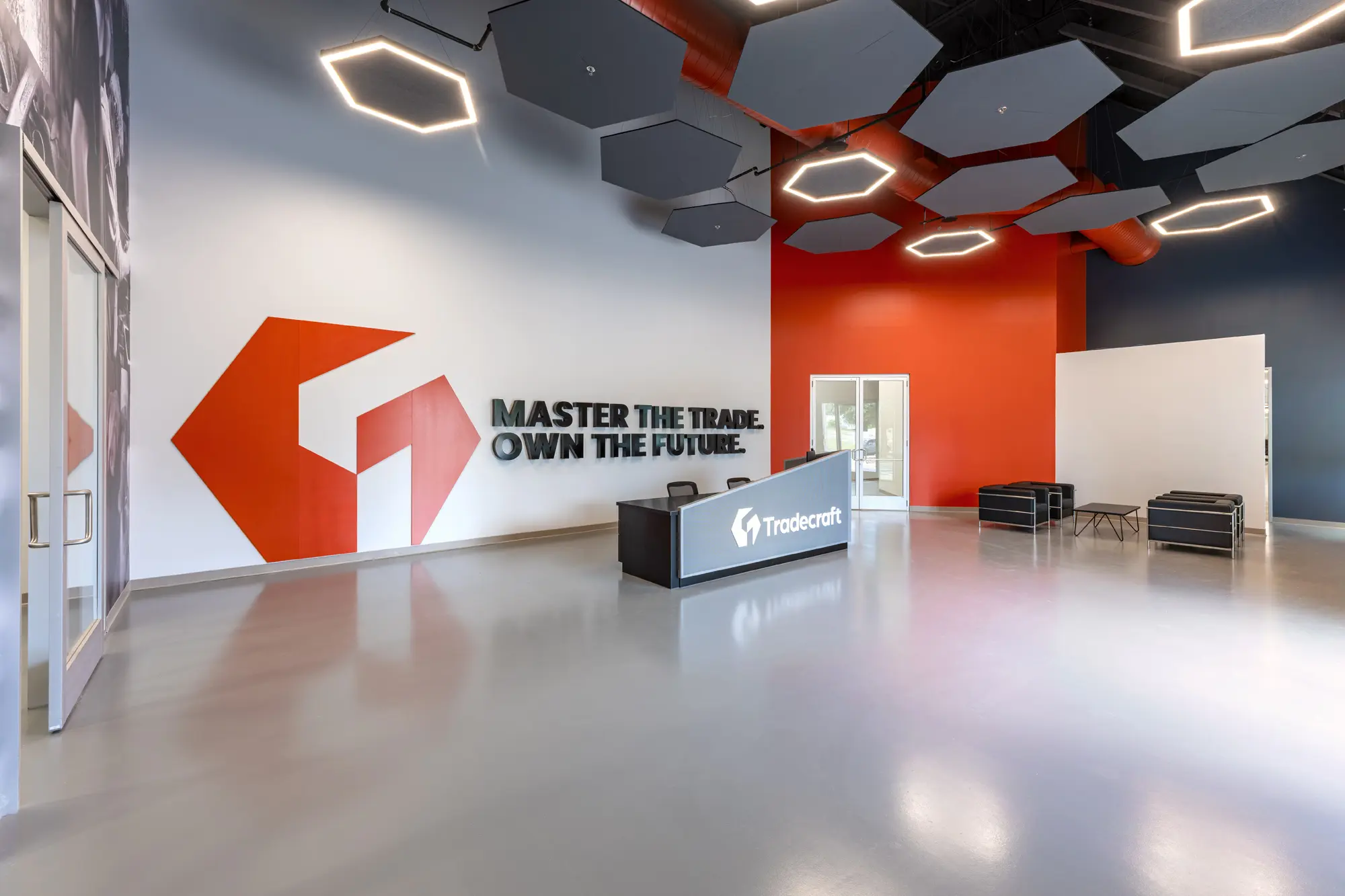
Starting a commercial construction project is a major investment. Whether you are renovating an existing office, developing a healthcare facility, or expanding an industrial space, the decisions made before construction begins can have a significant impact on the project’s cost, schedule, functionality, and long-term success.
A successful commercial construction project requires more than a good design. It requires careful planning, experienced project management, consistent communication, and coordination between owners, architects, contractors, vendors, and subcontractors.
For businesses planning a commercial construction project in San Antonio, understanding the key factors involved can help reduce unexpected challenges and create a smoother construction process from beginning to end.
1. Clearly Define Your Project Scope
One of the first steps in any commercial construction project is establishing a clear scope of work.
Before construction begins, project owners should have a strong understanding of what they want the finished space to accomplish. This includes the layout, functionality, finishes, equipment requirements, technology needs, and any special considerations related to the building’s use.
A clearly defined scope helps the construction team establish realistic expectations for cost and schedule. It can also reduce the likelihood of changes during construction that may affect the budget or completion date.
For example, an office renovation may require new conference rooms, private offices, collaborative spaces, upgraded finishes, and updated technology infrastructure. A healthcare project may involve exam rooms, laboratories, specialized medical equipment, infection-control requirements, and other considerations that are unique to healthcare environments.
The more thoroughly these requirements are identified before construction begins, the easier it becomes to coordinate the project.
2. Establish a Realistic Budget
Commercial construction budgets involve much more than the cost of materials and labor.
Permitting, equipment, site conditions, specialty trades, architectural requirements, inspections, and unforeseen conditions can all affect the final cost of a project.
Establishing a realistic budget early in the planning process allows the project team to make informed decisions about materials, finishes, scope, and scheduling.
Cost control should also continue throughout construction. Regular financial reporting and communication can help owners understand where the project stands and identify potential issues before they become larger problems.
For larger commercial projects, maintaining visibility into project costs and financial status is particularly important. A well-managed project should provide the owner with a clear understanding of how the project is progressing financially as well as physically.
3. Understand Permitting and Regulatory Requirements
Permits and regulatory requirements can play a significant role in commercial construction.
Depending on the type of project, requirements may involve building permits, inspections, fire safety, accessibility, health and safety standards, and other regulations.
Healthcare construction can involve additional considerations such as infection control, medical equipment coordination, dust mitigation, filtration and pressurization, interim life safety measures, and specialized inspections.
Industrial projects may require specific fire safety ratings, safety procedures, loading dock requirements, specialty equipment coordination, and other project-specific considerations.
Understanding these requirements before construction begins can help prevent unnecessary delays and ensure that the project progresses according to applicable standards.
4. Choose a General Contractor With Relevant Experience
Not every commercial construction project is the same.
An office renovation has different requirements from a healthcare remodel, while an industrial project can introduce an entirely different set of challenges.
For that reason, experience in the specific type of commercial construction being planned can be an important consideration when selecting a general contractor.
A contractor familiar with the project’s market can anticipate common challenges, coordinate specialized trades, understand the requirements of the space, and help the owner navigate the construction process.
Precision Contracting serves three primary commercial construction markets: healthcare, office, and industrial. Its project portfolio includes medical clinics, professional offices, corporate workspaces, laboratories, warehouses, and other commercial environments throughout the San Antonio area.
5. Create a Detailed Construction Schedule
Time is an important part of every commercial construction project.
Delays can affect business operations, employee productivity, tenant schedules, equipment installation, and ultimately the cost of the project.
A detailed construction schedule helps coordinate the many moving parts involved in a commercial build or renovation. Materials need to arrive on time. Subcontractors need to be coordinated. Inspections need to be scheduled. Vendors and specialty equipment installers may need access to the site at specific stages of construction.
Effective project management brings these activities together into a coordinated schedule.
At Precision Contracting, timely delivery is a core part of the company’s approach, with project teams focused on carefully managing schedules and completing projects on time or ahead of schedule when possible.
6. Prioritize Communication Throughout the Project
Communication is one of the most important elements of successful commercial construction.
Owners should not have to wonder what is happening on their project.
Regular communication provides visibility into progress, upcoming activities, potential issues, schedule changes, and decisions that may require attention.
This is especially important when multiple stakeholders are involved. Owners, architects, engineers, vendors, subcontractors, property managers, and other professionals may all need to coordinate throughout the construction process.
A proactive communication strategy can help identify problems earlier and keep everyone working toward the same objectives.
Precision Contracting places particular emphasis on proactive communication, providing clients with regular updates and project information so they do not have to continually request status reports.
7. Consider How Construction Will Affect Building Occupants
Renovating an occupied commercial building introduces another layer of complexity.
Construction activities can create noise, dust, odors, restricted access, and other disruptions that may affect employees, customers, patients, tenants, or visitors.
This is particularly important for office and healthcare environments where normal operations may need to continue while construction is underway.
A well-planned project should consider how construction activities will interact with the people using the building.
Scheduling disruptive work appropriately, establishing site and safety plans, coordinating trades, and implementing measures to reduce noise and odors can help minimize the impact on occupants.
For office projects, Precision Contracting specifically incorporates strategies to mitigate the effects of construction noise and odors on building occupants, along with site and safety planning, trade coordination, daily project updates, and project management.
8. Coordinate Vendors, Trades, and Specialized Equipment
Commercial construction often involves dozens of different people and organizations working on the same project.
General contractors, architects, engineers, electricians, plumbers, HVAC contractors, technology vendors, equipment suppliers, and specialty trades may all need to coordinate their work.
The complexity increases when a project requires specialized equipment.
Healthcare construction, for example, may involve medical equipment that needs to be incorporated into the design and construction process. Industrial facilities may require specialized equipment, loading docks, access systems, or other infrastructure.
Strong coordination between these parties helps ensure that each phase of the project is completed in the right sequence.
9. Use Technology to Improve Project Management
Technology has become an increasingly important part of modern construction management.
Digital project-management platforms can help teams organize documentation, communicate information, track project activities, manage schedules, and maintain better visibility throughout construction.
The goal is not simply to use technology for its own sake. The right tools should make it easier for project teams and owners to access information and make decisions.
Precision Contracting uses technology-driven project management, including platforms such as Procore, to help manage projects more efficiently and accurately.
10. Plan for Quality Control From the Beginning
Quality control should not be something that happens only at the end of construction.
It should be incorporated into every stage of the project.
This includes monitoring workmanship, coordinating subcontractors, reviewing installations, addressing issues as they arise, and maintaining clear communication between the project team and the owner.
Addressing problems early can help prevent small issues from becoming larger problems later in the project.
For industrial construction in particular, quality control is one of the key components of Precision Contracting’s construction-management approach, alongside safety, inspections, project management, and on-site supervision.
11. Think About the Finished Space, Not Just the Construction Process
The ultimate goal of a commercial construction project is not simply to complete the work.
It is to create a space that works for the people and business using it.
An office should support productivity, collaboration, and the company’s culture. A healthcare facility should provide an environment that supports patients, physicians, and staff. An industrial facility should support the operational requirements of the business.
Good commercial construction brings design, functionality, quality, and operational requirements together.
This is why project planning should always consider how the completed space will be used after construction is finished.
12. Don’t Overlook Project Close-Out
The final stage of construction is just as important as the beginning.
Before a commercial project is considered complete, the team may need to address inspections, punch-list items, commissioning, documentation, equipment coordination, and other close-out requirements.
For certain projects, obtaining a Certificate of Occupancy is also an important part of the process.
Proper close-out ensures that the owner receives a completed and functional space rather than simply reaching the end of the construction schedule.
Precision Contracting incorporates commissioning and project close-out into its approach across its commercial construction markets, with additional requirements depending on the type of project.
Commercial Construction Requires More Than Construction
A successful commercial construction project is the result of many individual decisions and coordinated efforts.
From defining the scope and establishing a realistic budget to managing permits, coordinating trades, controlling the schedule, communicating with stakeholders, and completing the final close-out, every stage contributes to the final result.
The right general contractor can help bring these elements together while providing the experience and project management needed to keep the project moving forward.
For businesses planning a commercial construction project in San Antonio, working with a contractor experienced in the specific requirements of healthcare, office, or industrial construction can provide valuable support throughout the process.
Planning a Commercial Construction Project in San Antonio?
Whether you’re planning an office renovation, healthcare facility, or industrial construction project, Precision Contracting can help guide your project from planning through completion.
With a focus on proactive communication, timely delivery, quality construction, and technology-driven project management, Precision Contracting works to create quality spaces while building lasting relationships with its clients.
Ready to discuss your next commercial construction project? Contact Precision Contracting to get started.
Contact Us
We’re excited to partner with you and bring your project to life.
Quality Builds, Lasting Relationships
Copyright © 2026 Precision Contracting. All Rights Reserved
Web Design by Vinnove